

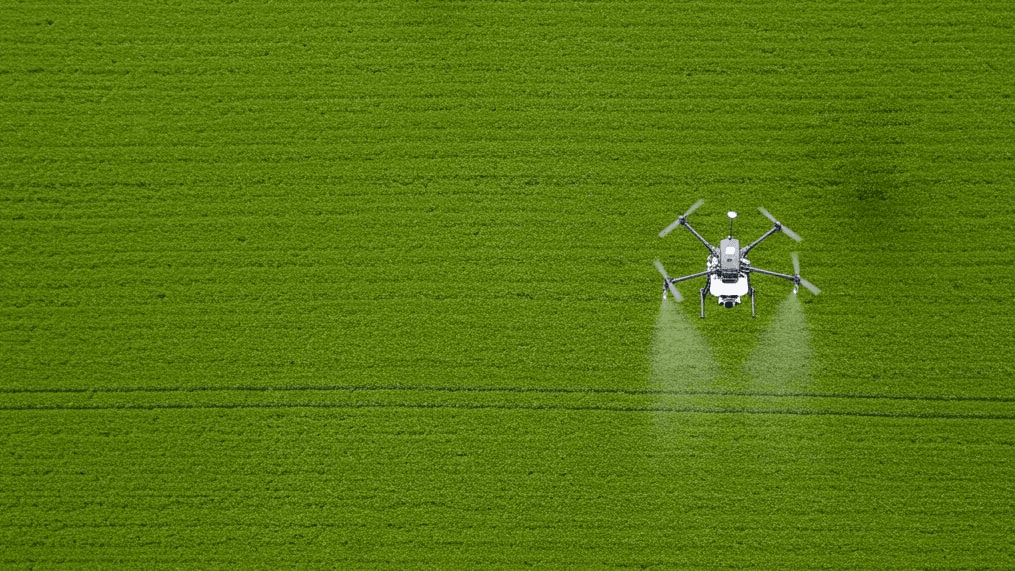
Farm equipment has grown increasingly sophisticated over the decades, but artificial intelligence is now taking machinery capabilities to unprecedented levels of precision and efficiency. Today's AI-enhanced equipment doesn't just follow programmed instructions—it actively perceives, analyses, and responds to field conditions in real time.
Computer vision systems now enable equipment to "see" with remarkable clarity. Planters can identify individual seed placement and soil conditions, adjusting depth and spacing for optimal germination. Sprayers detect and differentiate crop plants from weeds, applying herbicides only where needed with millimeter precision, reducing chemical use by up to 90% in some applications.
What makes these systems truly revolutionary is their continuous learning capability. The AI analyses outcomes from previous operations—noting which adjustments led to better emergence rates or more effective weed control—and refines its decision-making with each pass across your fields.
The economic impact is substantial. Studies show AI-equipped machinery can reduce input costs by 15-30% while improving yield through more precise application and reduced crop stress. The technology also extends equipment life through smart operation—automatically adjusting power output and speed based on conditions to minimize wear.
These systems also dramatically reduce operator fatigue through autonomous features that handle repetitive tasks while allowing human oversight for complex decisions. This enables longer operating windows during critical weather periods and helps address labor shortages affecting many agricultural regions.
As these technologies mature, they're becoming increasingly accessible through retrofit options for existing equipment, allowing farmers to adopt precision capabilities incrementally rather than requiring complete fleet replacement—making the path to true precision agriculture accessible for operations of various sizes.